
Florida voters made a significant change to the state's property tax system on November 3, approving Amendment 3 with 62% of the vote, two points above the 60% threshold a constitutional amendment requires. For homeowners, buyers and the professionals who help them close, it's a change we'll all be adjusting to over the next couple of years.
The amendment raises the homestead exemption for non-school property taxes from $50,000 to $150,000 in 2027 and to $250,000 in 2028, with inflation adjustments after that. School taxes aren't affected. It also lowers the annual cap on assessment increases for non-homestead properties, including rental homes and second homes, from 10% to 5%. The changes take effect Jan. 1, 2027.
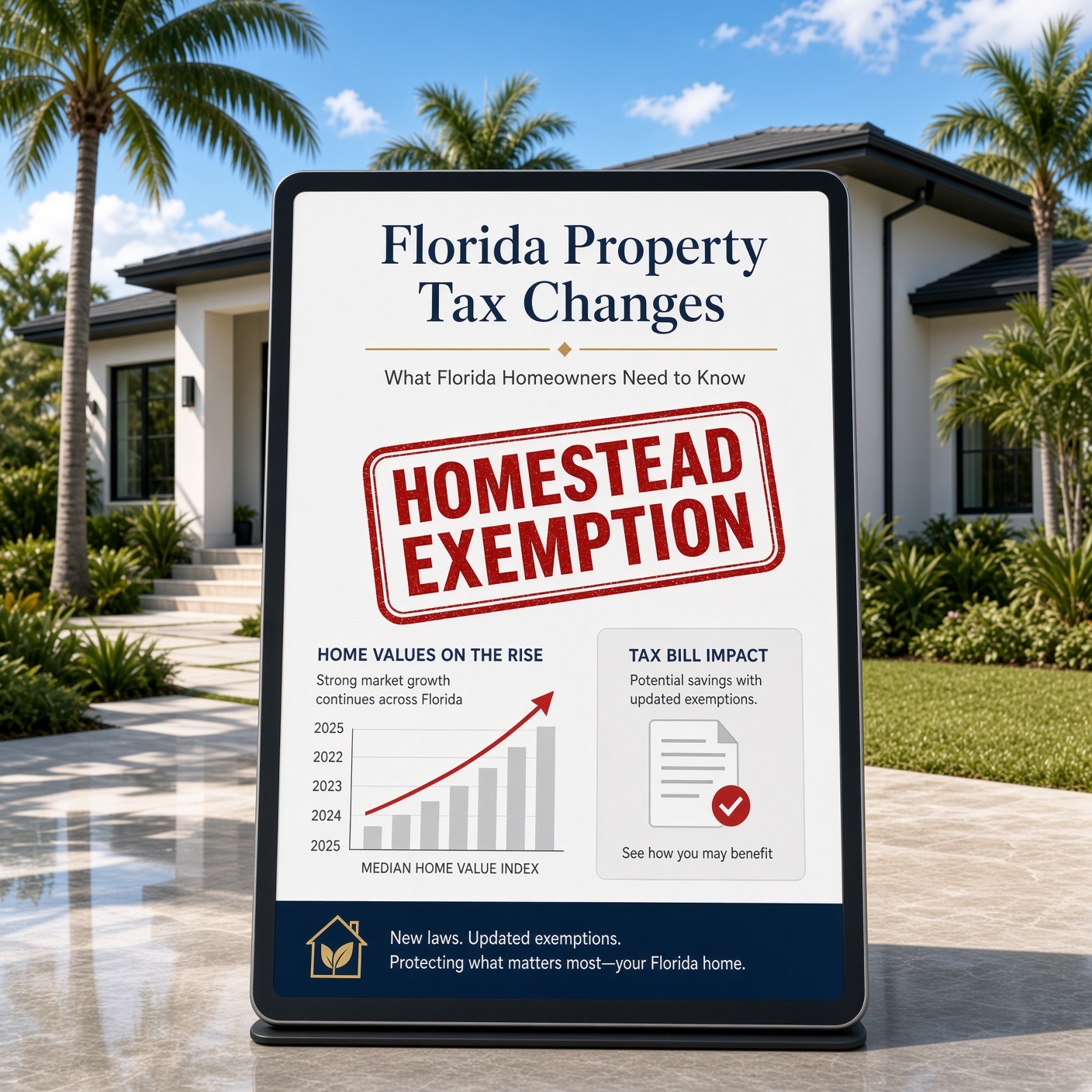
For many current homestead owners, that could mean noticeably lower tax bills, which may help ease the cost of ownership for Floridians who have watched those bills climb. Lower carrying costs could also make it a little easier for some buyers to qualify, since property taxes are part of the monthly payment lenders evaluate.
Buyers relocating to Florida will want to pay close attention to timing. People who weren't Florida residents on Dec. 31, 2026 will receive the existing exemption when they first qualify, with the larger exemption beginning in their fifth year. In a state that welcomes so many new residents, that detail could shape conversations between agents and out-of-state clients for years. Investors and second-home owners, meanwhile, may find the lower 5% cap makes future tax increases more predictable and easier to plan for.
At the closing table, we expect property tax prorations and escrow estimates to deserve a closer look than usual. A seller's current tax bill may not reflect what a buyer will pay once exemptions change. Buyers who plan to make a property their primary residence should also file for the homestead exemption with their county property appraiser as soon as they're eligible.
The finer details will likely come into focus as the Legislature and local governments work through implementation. Many cities and counties have already been weighing how reduced revenue will affect their budgets, and we'll be watching closely as that process unfolds.
If you have questions about how Amendment 3 might affect a transaction you're working on, our team is happy to talk it through. Reach out to us at flagency.net.